
The Beasel Brothers
Two Brothers. Two Acoustic Guitars. A Lifetime of Songs.
The Beasel Brothers began with two young brothers, Tim and Greg Maier, writing and playing songs as teenagers in Wisconsin in the late 1970s. Back then, they were simply two brothers with acoustic guitars, a love of music, and a lot of time on their hands.
They wrote songs about what they were feeling, what they were experiencing, and what they were trying to figure out. Some were funny. Some were restless. Some were about love and heartbreak. Others simply captured a moment in their lives.
Most importantly, the songs were authentic. They weren't writing to fit a record label, chase a hit, or follow a trend. They were writing because they had something to say. They often bared their souls in their lyrics, putting real emotions, real relationships, real dreams, and real disappointments into their songs. Looking back decades later, that's what makes many of those songs still feel alive.
The Good Old Days
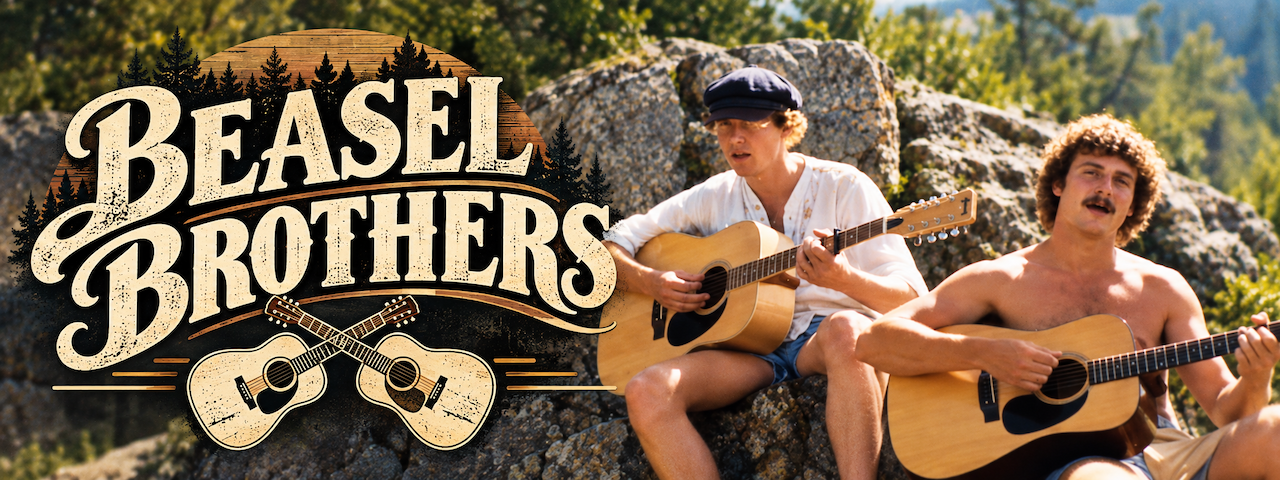
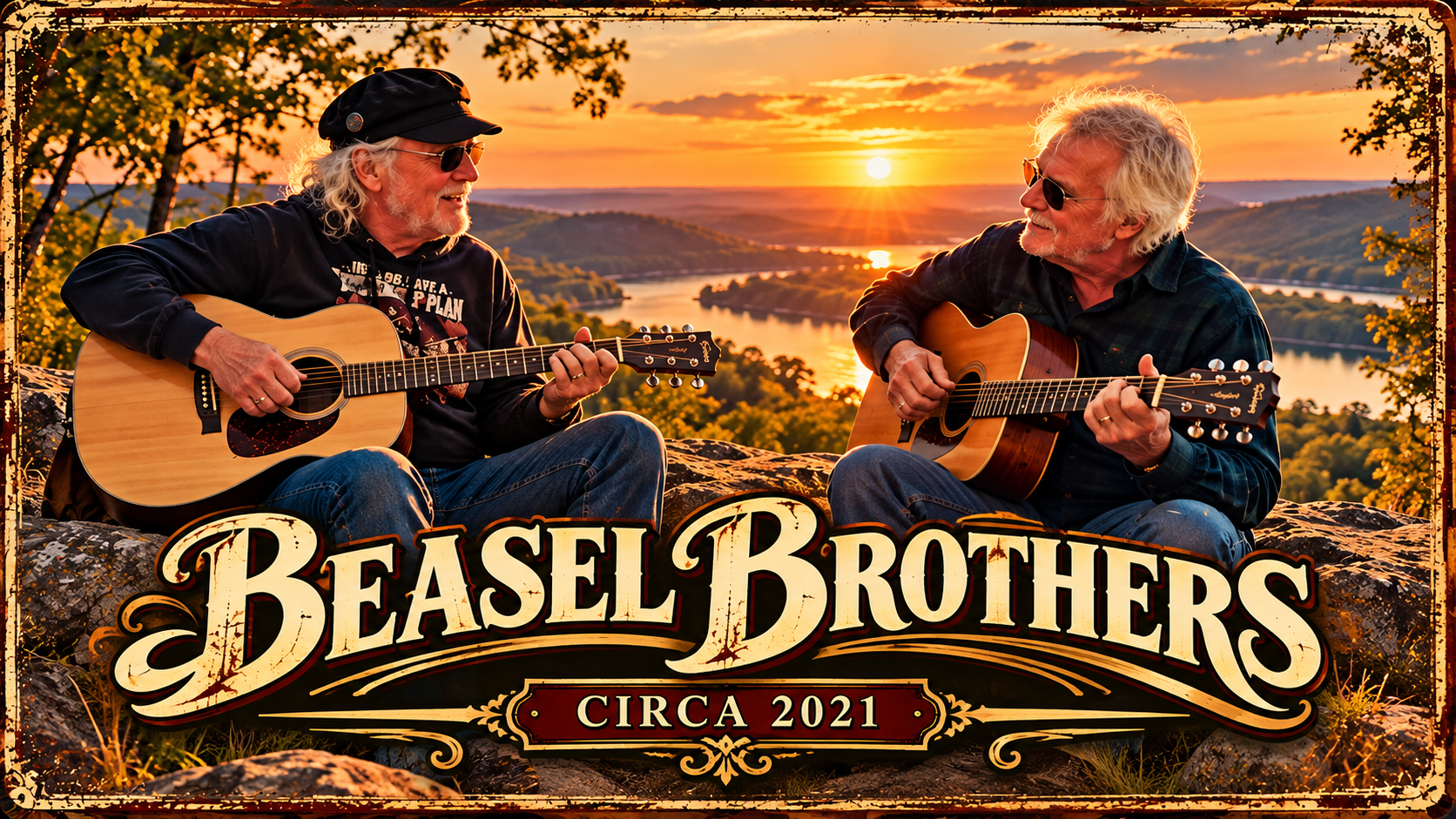
During their college years, Tim and Greg became The Beasel Brothers and started playing bars, clubs, and on the University of La Crosse, Wisconsin campus. Even played occasional solo gigs at weddings, fundraisers, and plenty of campfire jamborees. If you ask where the name Beasel Brothers came from…..well, it derived from a childhood nickname of Beas that was bestowed on Greg that somehow carried on through the years.
They played everywhere.
They'd take whatever gig came along, sometimes playing during breaks for other musicians. Before long, they had built a repertoire large enough to fill four-hour nights—50 songs or more without repeating a single one. They were basically a human jukebox playing a variety of covers mixed in with a few originals. The pay wasn't always much. Sometimes they got a few dollars. Sometimes they got paid with a sub sandwich. And sometimes the deal was free beer—lots of beer. As the brothers remember it, that was as good as cash.
There was the Boonesboro Pub, where they played a small stage by the window and got paid in pitchers and maybe a few bucks tossed in to sweeten the gig. There was Dell's Bar, a little tavern on Third Street where friends would stop in, buy them a round, and help turn a quiet night into a loud one. At Sidekick's Saloon, a group of bikers came in after drinking since noon. They liked the music, but at one point the night erupted into a full-blown brawl. Fists were flying and punches landing just feet from the stage, but the brothers never stopped playing. They kept the song going as the bikers moved in, broke up the fight, and hustled the troublemakers out the door. Through it all, the Beasel Brothers just kept playing.
A gig that took them to the Alpine Inn on Grand Dad’s Bluff was a night to remember. A rowdy, packed crowd of friends dancing a little too close to the microphone stand stumbled over it, but the music never stopped. Then there was Fuzzy's Country Pub located far outside the La Crosse area where the drinks flowed, the locals liked the music, and, to their surprise, the brothers walked away with $300. Back then, $300 felt like a fortune. There were outdoor festivals too, including the annual Festival on the Mall held on campus where the soundman struggled to get his equipment working. None of it mattered. They were playing their guitars and singing their songs.
They were having fun. And they were collecting stories.
More Than the Music
Then came their breakthrough. One night, the brothers played during another band’s break and caught the bar owner’s ear. The crowd came alive—and apparently, the cash register liked what it heard, too. By night’s end, the Beasel Brothers had gone from filling a break to landing several weekends of their own. For two young guys, it was quite a vote of confidence. But they weren't chasing a music career. They were simply enjoying the ride—playing four sets a night, learning how to read a crowd and trying to find their way as musicians and songwriters. And somewhere along the way, all those nights became part of the music. The bars. The characters. The friendships. The romances. The mistakes. The good times along with sad times developed into inspirations.
The stories and life’s experiences became songs.
Then Life Happened
After the college years, music took a backseat to marriage, children, careers, and the everyday demands of life. Yeah, life got in the way. Greg stayed settled in the Midwest,t and Tim moved to the East Coast. The guitars were still around, albeit collecting dust. The songs were still there, buried in a virtual time capsule. But life moved forward.
In the early 1980’s, after 5 years of not playing together, the brothers reunited and made two recording trips and booked time at two studios in Chicago. The intent was to preserve some of their original music. They weren't trying to launch a record career or release the songs. They simply wanted to capture the songs they'd written and keep them for themselves. Then the recordings disappeared into the years and gradually began to deteriorate.
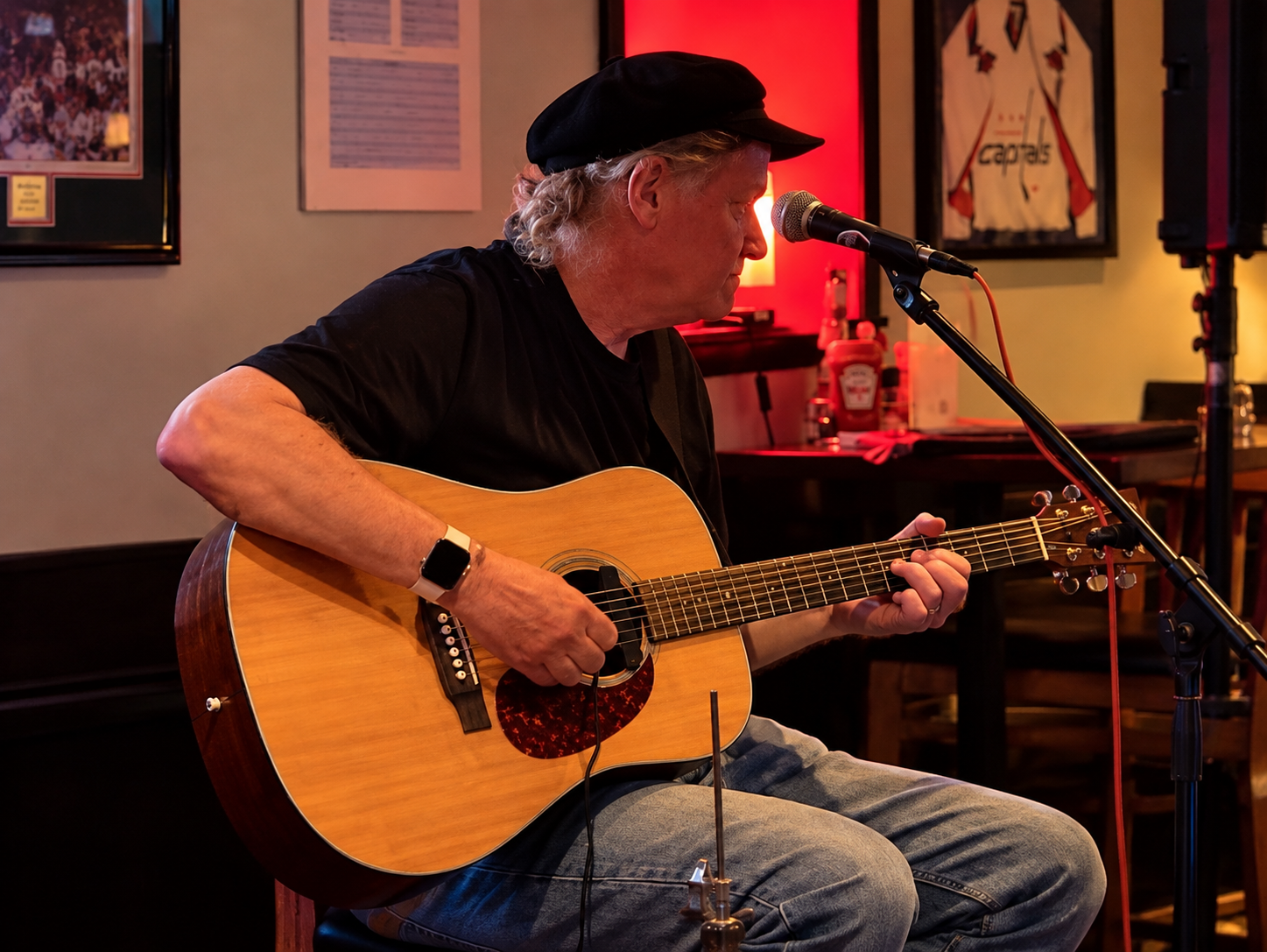
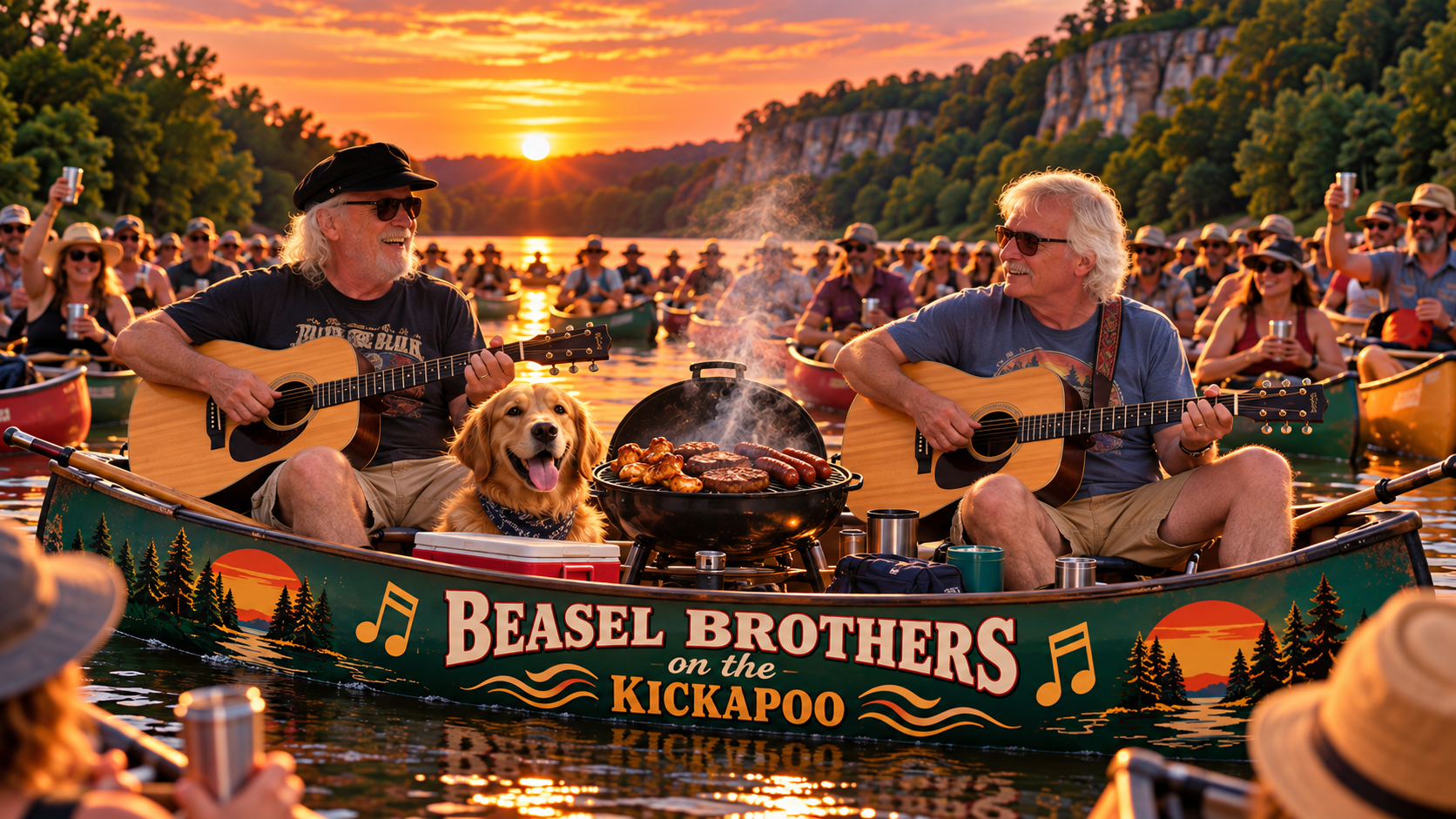
For more than four decades, the music existed mostly as memories—and on aging cassette tapes and reel-to-reel recordings. There were occasional reunions such as at Tim's wedding and jam sessions along Wisconsin's Kickapoo River. Then an impromptu performance at Greg's 40th birthday party. And years later, on an unexpected frigid winter night at a small bar outside of Crested Butte, Colorado. The lead singer of the band booked that night came over to their table and asked them if they played.
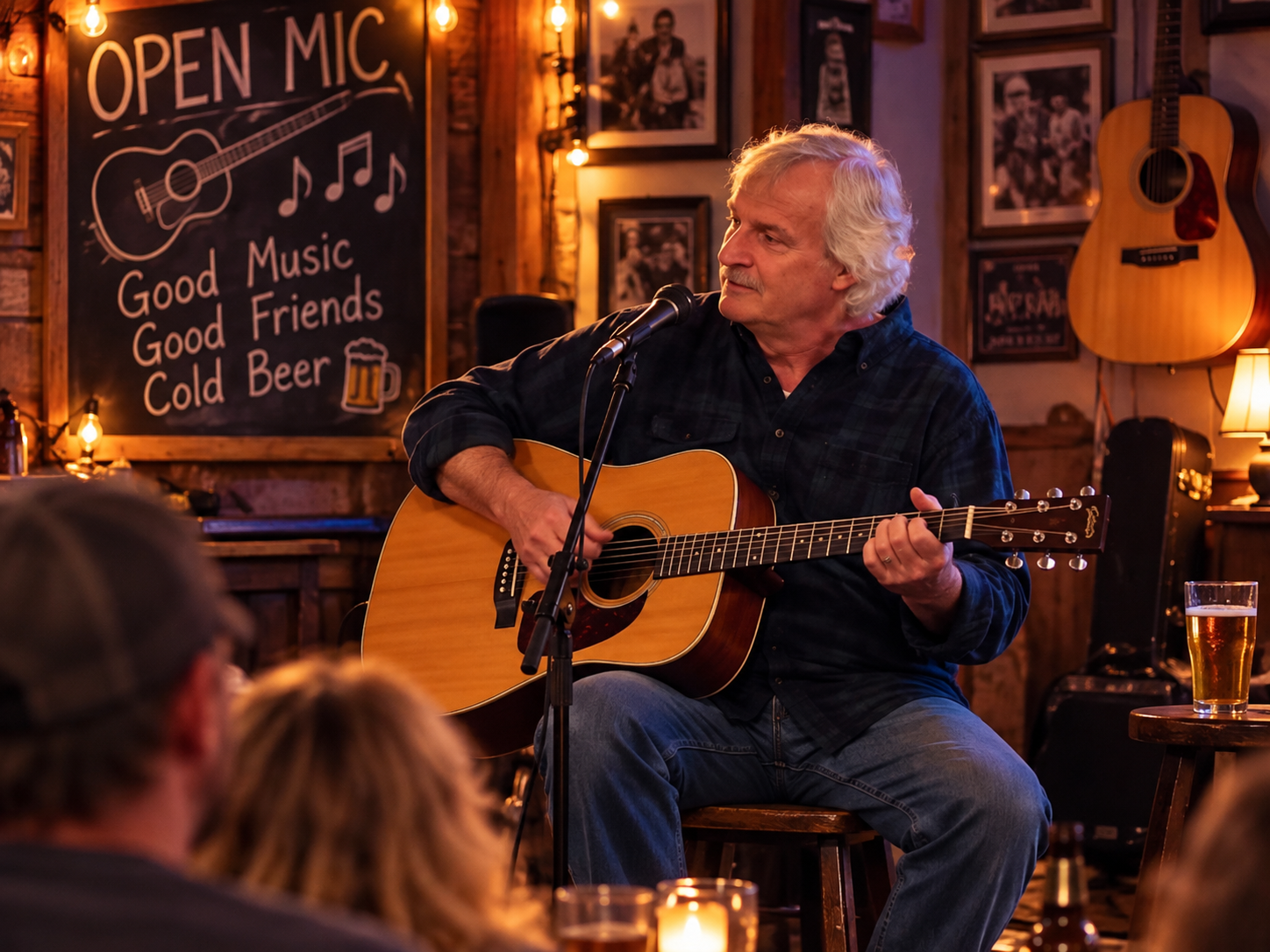
He assumed they did because he noticed Greg was watching his fret hand. When he offered the brothers the chance to play, the band never saw the stage again that night. (Sort of Deja Vu.) The brothers closed down the pub with music from the past. Songs they played from years gone by. After that, Tim occasionally played clubs, but mostly spent time riding cross-country on his motorcycle while Greg picked up his guitar for an open mic or a party and jammed with friends.
But careers, families, and the demands of everyday life took over. The years slipped by, and somehow the two never found their way back to the same stage and never performed together in public again. But the music was never completely gone. It was simply waiting.
The Songs Were Still Waiting
Eventually, Tim and Greg rediscovered the old Chicago recordings from the mid-1980s. The tapes were worn, and the sound had deteriorated, and the tape had sped up songs and changed the pitch. But underneath the hiss and distortion were the voices of two young brothers—and songs that had survived nearly half a century.
The recordings needed to be re-engineered. Modern technology offered possibilities the brothers could never have imagined when they first played those tiny stages in Wisconsin. With the help of AI tools, they began bringing those old songs back to life. And something unexpected happened.
They started writing again.
Tim also rediscovered a decades-old scrapbook filled with unfinished lyrics, ideas, and pieces of songs that he’d written when he was young. Greg also had a few scribblings of unfinished lyrics that were cast aside long ago, never thinking they would see the light of day. Seeing all those forgotten words again was like opening a time capsule. It energized both brothers. The songwriting bug was back.
Songs Lived First. Written Afterward.
The Beasel Brothers' music has changed because their lives have changed. They're no longer the two young guys playing four sets in a bar, wondering whether anyone noticed if they hit the wrong chord. They're older now. They've experienced love and loss. Marriage and family. Careers and change. Successes and disappointments. They've watched children grow up, friends come and go, and decades pass almost before they realized it. All of that has found its way into the songs.
Their music explores love, heartbreak, freedom, nature, youth, memories, dreams, family, and the passage of time. Some songs tell stories. Others capture a feeling. Many are drawn from moments the brothers have actually lived. And yet others, well, they have no idea where they came from. Funny how the creative process works.
That's important to them. These aren't songs written from a distance. They're songs lived first and written afterward. The songs sometimes bare their souls. Sometimes they make them laugh. Sometimes they take them back to a place they haven't visited in decades. They're sometimes funny. Sometimes nostalgic. Sometimes painful. Sometimes hopeful. But they're real. And because they're real, the brothers believe the emotions can belong to anyone who hears them.
The Journey Continues
The Beasel Brothers aren't trying to recreate the past. They're carrying it forward. The acoustic guitars are still there. The stories are still there. The brotherly arguments over lyrics and melodies are still there. The collaboration in writing and producing new songs has exploded.
All lyrics to their songs are 100 percent written by them. Chord progressions to the songs and melodies are created by them. The instrumentation is created with an assist from AI, and they’re not afraid to admit it. Some songs have their original vocals, guitar work restored by AI; others are AI-generated.
Greg had two distinct vocal gears. He could sing like a bird, with a clear, melodic voice and an impressive range, then turn around and let it rip with the grit and power of Southern country rock. Tim brought a different character to the sound—a warm, melodic country voice with a soulful edge and an emotional, lived-in quality.
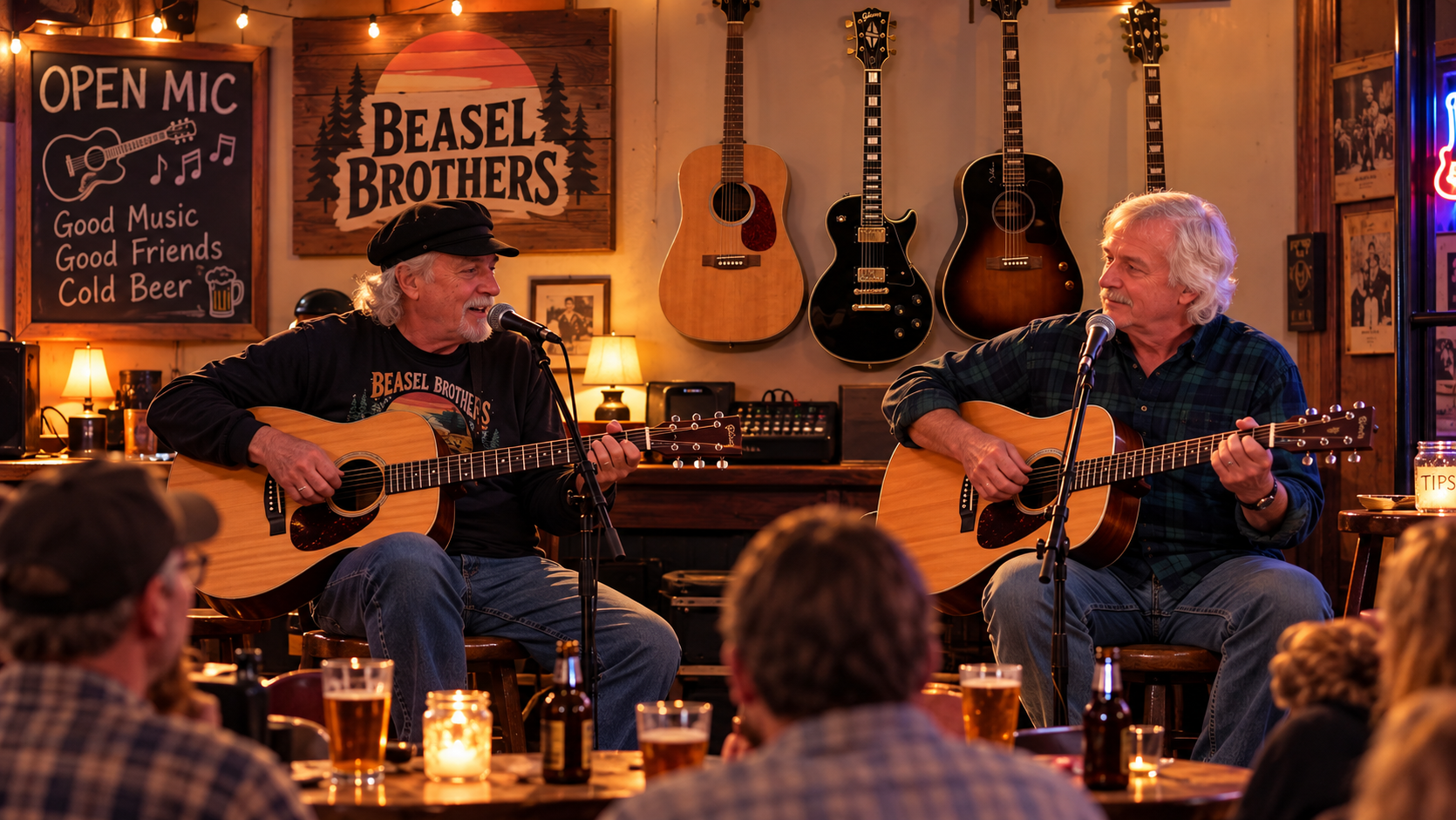
Together, Greg's range and versatility blended with Tim's country soul, giving the Beasel Brothers a vocal sound that could move from tender acoustic harmonies to full-throttle country rock. Greg’s rhythm guitar was the heartbeat of the songs. His fingerpicking could be delicate and atmospheric one moment, then drive the music forward the next, creating the foundation for Tim’s lead guitar to soar.
Tim played with a melodic, soulful style rooted in pentatonic scales, crafting solos that became as much a part of the songs as the lyrics themselves. For decades, much of that guitar work survived only on those old Chicago studio tapes—much of it scarred by the ravages of time.
Careful restoration and re-engineering brought those recordings back to life, recovering Tim’s original lead work with enough clarity to recreate many of those solos note-for-note in these performances. The distinctive bends, trills, melodic runs and fiery leads heard on the original recordings became the blueprint, allowing these performances to capture not only the notes Tim played all those years ago, but the phrasing, emotion and soul behind them. Greg’s rhythmic foundation and Tim’s expressive leads were two halves of the same sound—one guitar creating the atmosphere and driving the song, the other giving it a voice.
What's different is that now they have an entire lifetime of experiences to draw from. What began in the 1970s with two teenage brothers writing songs has become a five-decade journey back to music. From small bars in La Crosse to recording studios in Chicago. From being paid in submarine sandwiches, a few dollars, and pitchers of beer to rediscovering songs on worn-out tapes.
From putting music aside for more than 50 years to finding their way back through songwriting and new technology. The Beasel Brothers still have the love of writing, collaborating, and drawing upon 50 years of memories that are the foundation of many of their songs. Just two old brothers, two acoustic guitars, and a lifetime of songs ready to be heard. We hope you enjoy them as much as we got a kick out of writing and producing the tunes.
Enjoy!
All the best.
Beasel Brothers